Recycling and Sustainability at Canary Wharf Man And Van
 At Canary Wharf Man And Van, sustainability is not treated as an add-on; it is built into how we move, sort, and redirect waste. Our approach to recycling in Canary Wharf is designed to reduce what goes to landfill, support local reuse routes, and keep each collection as efficient as possible. We work with a recycling percentage target that aims to divert at least 85% of suitable material from disposal, using careful segregation, transparent handling, and responsible transfer to approved facilities.
This matters in an area where mixed-use buildings, office clear-outs, and residential moves often generate a wide range of items: cardboard, metals, plastics, textiles, wood, and electricals. By separating these streams early, our Canary Wharf recycling service helps to capture more recoverable material and lowers contamination. The result is a cleaner handoff to processing sites and a more circular outcome for possessions that are no longer needed but still have value.
We also recognise the borough-led approach to waste separation that shapes much of east and central London. In nearby boroughs, recycling often depends on well-sorted loads and clear categories, which is why our teams keep recyclables apart from general rubbish wherever possible. This local discipline supports better outcomes for paper, metal, glass, and mixed dry recyclables, especially when collections come from shared buildings, commercial premises, or home moves where several material types are present.
 Our sustainability plan extends beyond sorting. We use local transfer stations that are chosen for their efficiency, compliance, and ability to consolidate loads before onward processing. Using these stations reduces unnecessary mileage and allows recyclable material to be channelled into the right recovery route more quickly. For Canary Wharf Man And Van recycling, that means less wasted time on the road and more time making sure each item reaches the most appropriate destination.
In practical terms, this means loads can be separated into streams such as green waste, metals, timber, bulky household items, and reusable furniture. Light construction debris from refurbishment clearances may be directed to facilities that can recover inert materials, while office items such as filing cabinets, desks, and shelving can be assessed for reuse or metal recycling. This measured method helps us support the wider London recycling ecosystem without overcomplicating the process for customers.
We also favour a reuse-first mindset. If an item can be diverted to a charity, community project, or reuse partner, that option is always considered before recycling or disposal. Canary Wharf van recycling is therefore not only about what gets broken down into raw material; it is also about keeping usable goods in circulation for longer, where they can continue serving households, voluntary organisations, and local causes.
 Our partnerships with charities play an important role in this sustainability model. We support organisations that can accept furniture, homeware, office equipment, and other suitable items for redistribution. When a sofa, table, chair, or storage unit is still in good condition, it may be routed through charitable reuse channels rather than being treated as waste. This is a practical way for Canary Wharf Man And Van to give items a second life while helping reduce the demand for new products.
These partnerships also reflect the realities of moving and clearance work in the area, where people often need quick but responsible solutions during relocations, downsizing, or commercial changes. Items that might otherwise be sent for recycling can sometimes support local charities, social enterprises, or reuse schemes. That can include office chairs, shelving, filing units, small appliances, and durable household goods that meet basic safety and condition standards.
For materials that cannot be reused, we still aim to recover as much as possible. Cardboard from packing operations is separated, flattened, and sent onward for paper recycling. Metals from dismantled furniture and appliances are routed to metal recovery where feasible. Electricals are handled with care so that components and specialist materials can enter the correct processing channel. This balanced process helps our Canary Wharf waste recycling work stay aligned with environmental best practice.
The fleet itself is part of the sustainability story. Our low-carbon vans are selected to help reduce emissions on local journeys across Canary Wharf and neighbouring parts of London. By using vehicles with improved fuel efficiency and lower emissions, we can make collections and deliveries with a smaller carbon footprint. In a busy urban environment where short trips can add up quickly, low-carbon vans are a sensible and responsible choice.
We also plan routes carefully to avoid unnecessary backtracking and idle time. That means fewer miles travelled per collection and better overall efficiency for the service. Combined with load consolidation through local transfer stations, this approach reduces the environmental impact of moving waste and reusable items around the city. For customers seeking eco-friendly man and van recycling in Canary Wharf, this creates a more sustainable service from start to finish.
Our vehicle strategy supports a wider aim: to make every trip count. Whether we are removing office furniture, clearing domestic waste, or delivering items for reuse, we look for the lowest-impact route available. In this way, Canary Wharf sustainability and recycling is not simply a statement of intent; it is a working method that links vehicle choice, route planning, and material recovery into one practical system.
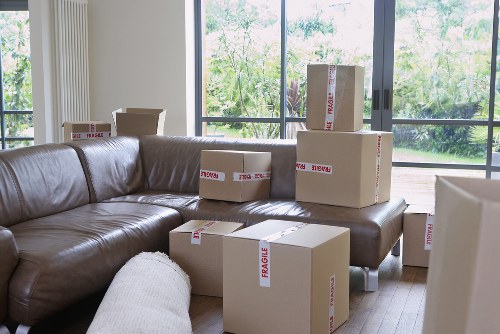 Another key part of our environmental approach is helping customers separate waste in a way that suits local borough expectations. In practice, that can mean keeping cardboard clean and dry, placing glass away from mixed rubbish, and avoiding contamination of recyclables with food waste or general refuse. These small actions make a big difference, especially when loads are headed for transfer stations or material recovery facilities that rely on clean input streams.
We also support responsible handling of bulky items and mixed clearances. Furniture made from wood, metal, or composite materials can often be dismantled so that individual parts are recycled more effectively. Textiles may be checked for reuse opportunities, while plastics are assessed for recycling suitability. This attention to material type is one reason our Canary Wharf Man And Van recycling services can achieve stronger diversion rates than a simple bulk disposal approach.
With our current systems, we are working toward continuous improvement beyond the initial 85% target, especially where cleaner separation and reuse partnerships make it possible. The aim is to keep raising the proportion of material diverted from landfill while maintaining a reliable, straightforward service for homes, businesses, and property managers in the area. That commitment is central to our long-term sustainability goals.
 At Canary Wharf Man And Van, recycling and sustainability go hand in hand. From local transfer stations and charity partnerships to low-carbon vans and borough-aware waste separation, every part of the process is designed to reduce environmental impact. The focus is on reuse first, recycling second, and disposal only when there is no better option.
By choosing a service that treats waste as a resource, customers help support a cleaner, more circular local economy. Whether the task is a flat clearance, office move, or mixed-item collection, our Canary Wharf recycling approach is built to recover value, protect useful materials, and move the right items to the right place with care.